

Last Updated on April 16, 2026
The QuickBooks error 6143 is a company file error that can occur when you try to open your company data file in the QB Desktop app. It is generally caused by a damaged or corrupted company file or program problems with the QB Desktop application. This can lead to a hampered workflow and have a negative impact on your accounting and bookkeeping transactions, as this error can make you unable to use and work on your company file. You can resolve the error code 6143 in QuickBooks by using the QB File Doctor tool from the Tool Hub.
We’ll cover the steps you need to know to troubleshoot the QuickBooks Desktop error code 6143 in this blog. First, let’s look at the causes of the error in 6143 QuickBooks.
Are you having trouble opening your company file in the QuickBooks Desktop app? Feel free to contact our Accounting Helpline’s experts at 1.855.738.2784 today to resolve your issue in no time!
Potential Causes of the QuickBooks Desktop Company File Error 6143
Listed below are the potential factors that can trigger the QuickBooks error 6143 to appear on your screen:
- An outdated QB Desktop application.
- A damaged company file.
- Inadequate folder permissions.
- Incorrect UAC settings.
- The Firewall is blocking the QBDT software.
- Program problems with the QB Desktop app.
- The company file is set to read only.
These are the reasons for the QuickBooks error 6143.
Methods You Can Use to Resolve the QuickBooks Company File Error 6143
Given below are the troubleshooting methods you can use to resolve the QuickBooks Desktop error 6143:
Update the QB Desktop App
An outdated QBDT app can be the reason you might see error 6143 in QuickBooks Desktop. You can fix it by updating the QB Desktop app with the steps given below:
- Open the QuickBooks Desktop software.
- Navigate to the Help menu.
- Click on Update QuickBooks Desktop.

- Then, select Update Now.
- Click on the Get Updates option.

- Close and reopen the QBDT app to install the updates.
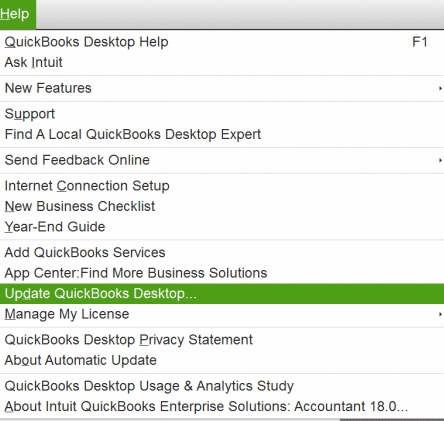
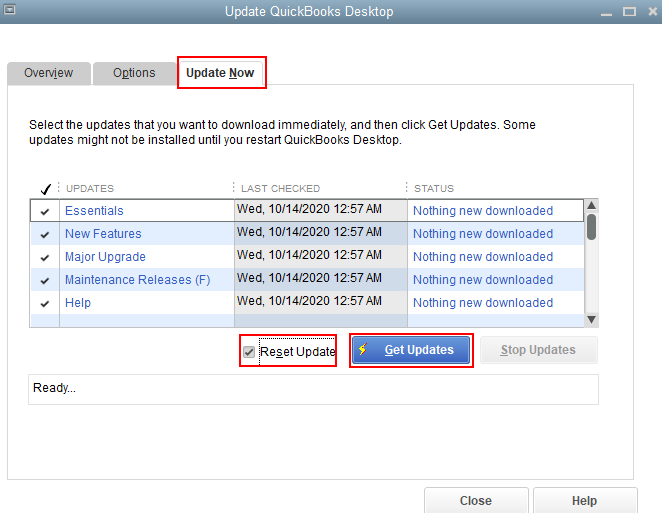
This should fix the issue you were dealing with.
Ensure that the File is Not Set to Read-Only
If your QB company file is set to read-only, you will have trouble opening it through the QB Desktop app, and trigger the QuickBooks error 6143:
- Open the File Explorer.
- Navigate to the folder where your company file is located.
- Find your company file.
- Right-click on your company file (.QBW).
- Select Properties.
- Navigate to the General tab.
- Unmark Read Only if it is checked.
- Press OK.
Now, the error you should be dealing with should be fixed.
Use the QB Desktop App as an Admin
You can use the QuickBooks Desktop application as an administrator to check if it resolves the QB error 6143 with the steps given below:
- Close the QB Desktop app.
- Right-click on the QuickBooks icon.
- Click on Run as Administrator.

- Try to open your company file again.
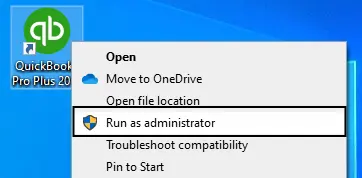
This should now fix the company file error you were dealing with.
Utilize the QB File Doctor Tool
You can use the QuickBooks File Doctor tool from the QB Tool Hub to resolve the QB company file error 6143 with the steps given below:
- Download and install the QuickBooks Tool Hub.

- Open the QB Tool Hub app.
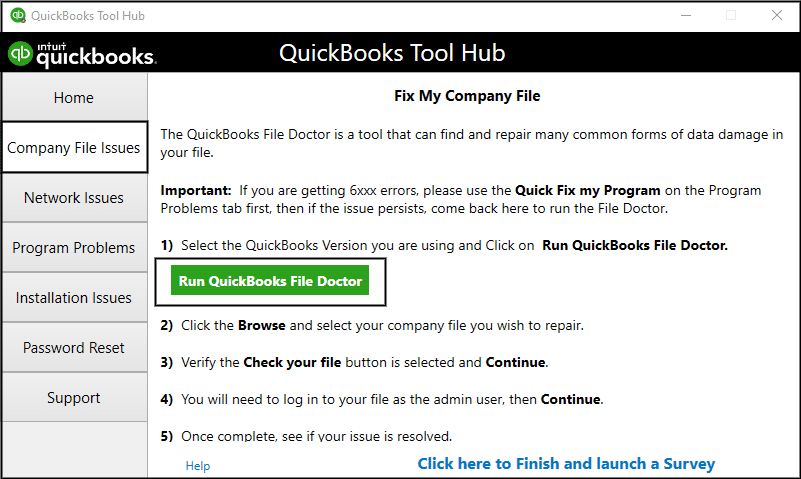
- Navigate to the Company File Issues tab.
- Click on Run QuickBooks File Doctor:

- If it doesn’t open, search for QuickBooks Desktop File Doc and open it manually.
- Select your company file from the dropdown menu:
- If you can’t see your file, click Browse and search to locate your file.
- Click on the Check your file option.
- Select Continue.
- Enter your QB admin password.
- Press Next.
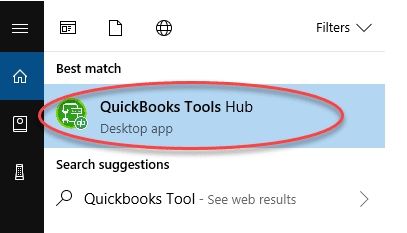
Now, the QuickBooks error 6143 should be fixed.
Verify the Windows Permissions for QB Desktop
Make sure that the Windows permissions are set correctly for the QBDT app to fix the QuickBooks error 6143 with the steps given to you below:
- Open the File Explorer.
- Navigate to the Intuit folder’s location.
- Right-click on the Intuit folder.
- Select the Properties option.
- Navigate to the Security tab.
- Click on the Advanced button.
- Then, in the Owner field, make sure the Users group is selected.
- If you see System or something other than Users, perform these steps:
- Go to Advanced Security Settings.
- Click on Change in the Owner field.
- Type in USERS.
- Hit Enter.
- Mark the Replace owner on sub-containers and objects checkbox.
- Click on Users (YOUR COMPUTER NAME\Users) and mark Full Control.
- Press OK.
- Now, click on Edit in the Security tab.
- Press Users (YOUR COMPUTER NAME\Users).
- Mark the Full Control box.
- Hit OK.
You should now be able to open your company file without any issues.
Restore a Backup Copy of Your QB Desktop Company File
If you have previously created a backup copy of your company file, you can restore it to fix the QuickBooks error 6143 with the steps given below:
- Open the QB Desktop app.
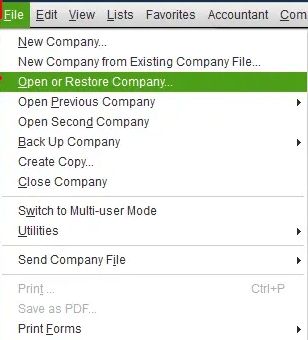
- Navigate to the File menu.
- Click on Open or Restore Company.

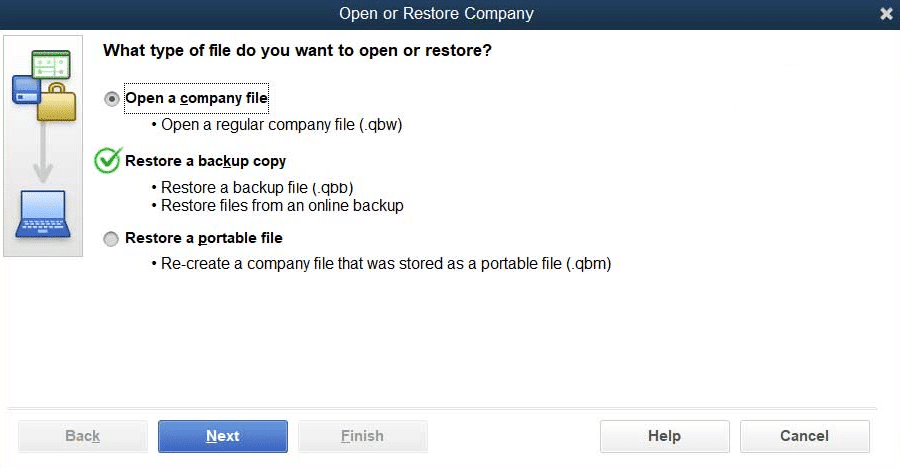
- Select the Restore a backup copy option.

- Press Next.
- Select Local Backup.
- Hit Next.
- Find the backup file on your PC.
- The backup file looks like this: [Your company name].qbb.
- Choose the folder where your restored file would be saved.
- Select Open.
- Hit Save.
- If you see a warning about overwriting data, choose the option that best suits your needs.
- Do not overwrite anything unless you wish to.
The problem you were dealing with should now be fixed.
Turn the UAC Settings On/Off
The User Account Control (UAC) settings can be changed to resolve the QuickBooks Desktop error 6143 with the following steps:
- Close the QB Desktop app.
- Open the Start menu.
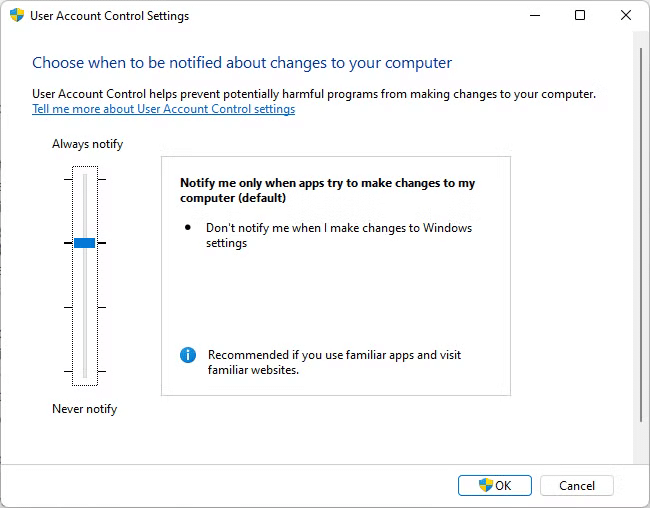
- Search for and open the User Account Control.
- Navigate to Settings.
- Click on Change User Account Control Settings.

- Move the slider to Always Notify.
Now, the issue should be patched.
Use the Quick Fix My Program Tool
You can use the Quick Fix My Program tool from the QB Tool Hub to mend the QuickBooks error 6143 with the following steps:
- Open the QB Tool Hub app.
- Navigate to the Program Problems tab.
- Click on Quick Fix My Program.

- Let the tool run.
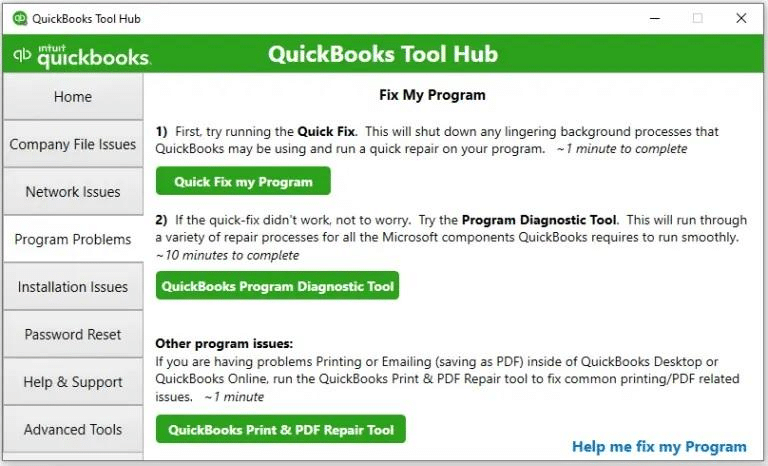
The tool would run and fix any issues with the QB Desktop app.
Verify and Rebuild the Company File Data
A damaged company file can be fixed by using the verify and rebuild data utility, and can cure the QuickBooks error 6143, with the steps given below:
- Open the QB Desktop app.
- Navigate to the File menu.
- Click on Utilities.
- Select the Verify Data option.

- Then, open the File menu again.
- Select Utilities.
- Click on the Rebuild Data option.

- QB will ask to create a backup file before it rebuilds your data.
- Press OK.
- A backup is required to rebuild your company file.
- Choose where the file would be saved.
- Hit OK.
- Make sure not to replace an existing backup file.
- Enter a unique name in the File name field.
- Press Save.
- You will get a message stating that Rebuild has completed.
- Hit OK.
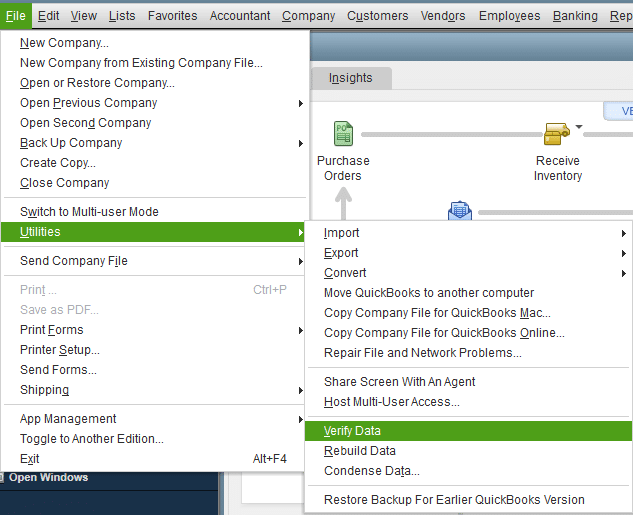
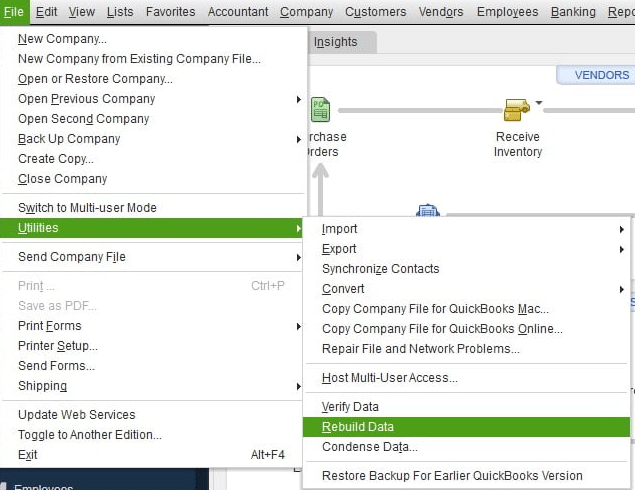
This would resolve the 6143 error in QuickBooks.
Create Windows Firewall Exception for QB Desktop
The Firewall blocking the QB Desktop application can cause the QuickBooks company file error 6143. You can resolve it by making Firewall exclusions for QBDT with the steps given below:
- Open the Start menu.
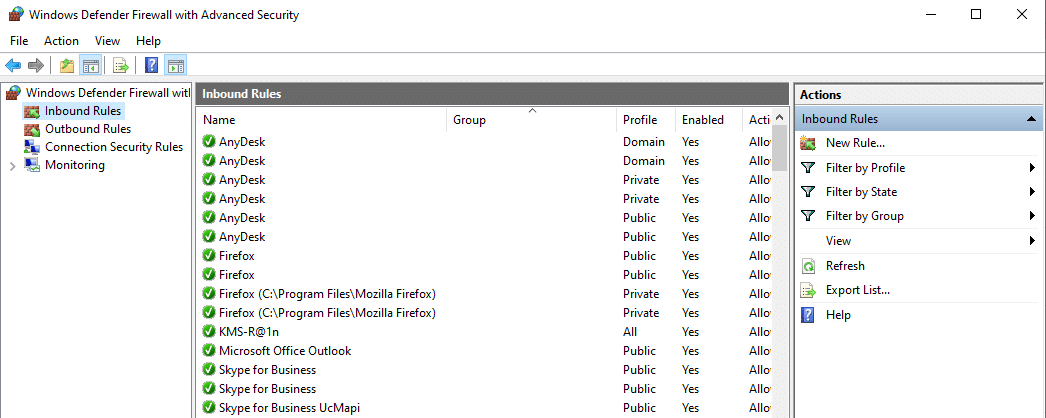
- Search for and open the Windows Firewall.
- Click on Advanced Settings.
- Right-click on Inbound Rules:
- You’ll make Outbound Rules later.
- Select the New Rule option.

- Click on Port.
- Hit Next.
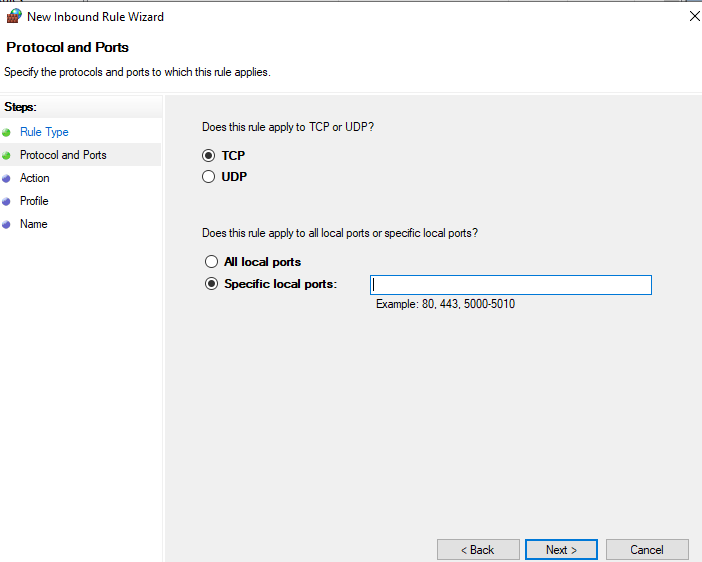
- Ensure that TCP is selected.
- Go to the Specific Local Ports field.

- Type in the port for your QB Desktop app:
- QuickBooks Desktop 2020: 8019, XXXXX
- QuickBooks Desktop 2019: 8019, XXXXX
- QuickBooks Desktop 2018: 8019, 56728, 55378-55382
- QuickBooks Desktop 2017: 8019, 56727, 55373-55377
- Hit Next after entering the port number.
- Select Allow the Connection.
- Hit Next.
- Ensure all profiles are marked if prompted.
- Press Next.
- Create a rule.
- Name it something like QBPorts(year).
- Press Finish.
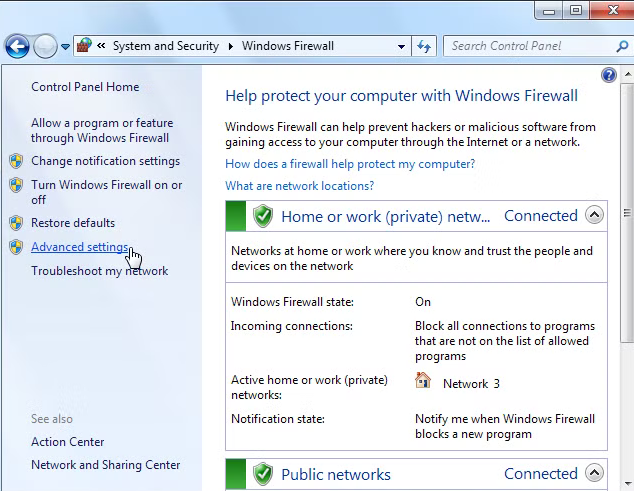
This would troubleshoot the issue you were facing.
QuickBooks Error 6143 – A Quick View Table
Given in the table below is a concise summary of this blog on the topic of the company file error 6143 in QuickBooks:
| Description | The QuickBooks error code 6143 is a company file error that can occur when you try to open your company data file in the QB Desktop app. It is generally caused by a damaged or corrupted company file or program problems with the QB Desktop application. This can lead to a hampered workflow and negatively impact your accounting and bookkeeping transactions, as this error can prevent you from using and working on your company file. |
| Its causes | 1. An outdated QB Desktop application. 2. A damaged company file. 3. Inadequate folder permissions. 4. Incorrect UAC settings. 5. The Firewall is blocking the QBDT software. 6. Program problems with the QB Desktop app. 7. The company file is set to read only. |
| Ways to fix it | Update the QB Desktop app, ensure that the file is not set to read only, use the QBDT app as an admin, utilize the QB File Doctor tool, verify the Windows permissions for QB Desktop, restore a backup copy of your company file, turn the UAC settings on or off, use the Quick Fix My program tool, verify and rebuild the company file data, and create Firewall exclusions for QuickBooks Desktop. |
Conclusion
The QuickBooks error 6143 is a company file error that can occur when you try to open your company data file in the QB Desktop app. It is generally caused by a damaged or corrupted company file or program problems with the QB Desktop application. This can lead to a hampered workflow and negatively impact your accounting and bookkeeping transactions, as this error can prevent you from using and working on your company file. We have covered the potential factors that can trigger the QuickBooks Desktop error 6143 to appear on your screen, along with the methods you need to troubleshoot it, in this blog.
If you are still unable to open your company file in QB Desktop, feel free to contact our Accounting Helpline’s experts at 1.855.738.2784 today to resolve your issue at a moment’s notice!
FAQs
Why am I seeing the QuickBooks error code 6143?
You can see the QuickBooks error 6143 due to these reasons:
– An outdated QB Desktop application.
– A damaged company file.
– Inadequate folder permissions.
– Incorrect UAC settings.
– The Firewall is blocking the QBDT software.
– Program problems with the QB Desktop app.
– The company file is set to read only.
How do I fix the QB Desktop error 6143?
You can fix the QB Desktop error 6143 with these methods:
– Update the QB Desktop app.
– Ensure that the file is not set to read-only.
– Use the QBDT app as an admin.
– Utilize the QB File Doctor tool.
– Verify the Windows permissions for QB Desktop.
– Restore a backup copy of your company file.
– Turn the UAC settings on or off.
– Use the Quick Fix My program tool.
– Verify and rebuild the company file data.
– Create Firewall exclusions for QuickBooks Desktop.
What is the QuickBooks error 6143?
The QuickBooks error 6143 is a company file error that can appear on your screen when you are trying to open a company file due to it being damaged or corrupted. It can also occur due to program problems with the QB Desktop app and can hamper your workflow and important business processes.
How do I fix a company file error in QuickBooks?
You can fix a company file error by using the QuickBooks File Doctor tool from the QB Tool Hub with the steps given below:
– Open the QB Tool Hub app.
– Navigate to the Company File Issues tab.
– Click on Run QuickBooks File Doctor.
– Select your company file from the dropdown menu.
– Choose the Check your file option.
– Click on Continue.
– Enter your QB admin password.
– Hit Next.
Related Posts-
QuickBooks Migration Failed Unexpectedly: Here’s What to Do Now
What is the QuickBooks Error 121? Methods to Fix It
QuickBooks Error 80029c4a: Here’s a Quick Method to Fix
Guide to Fix QBCFMonitorService Not Running On This Computer
Fix QuickBooks Cannot Open Company File in Multi-User Mode
Fixing the QuickBooks Error 1712: Causes and Step-Wise Troubleshooting Methods

Edward Martin is a Technical Content Writer for our leading Accounting firm. He has over 10 years of experience in QuickBooks and Xero. He has also worked with Sage, FreshBooks, and many other software platforms. Edward’s passion for clarity, accuracy, and innovation is evident in his writing. He is well versed in how to simplify complex technical concepts and turn them into easy-to-understand content for our readers.